Back

Now showing | Ploegendienst 5

Jivan van der Ende, Merel Nijhuis & Queer Collective Workers’ Union

Now showing: the results of Ploegendienst 5, part of the H0ha programme.

Ploegendienst 5 | Jivan van der Ende, Merel Nijhuis and Queer Collective Workers’ Union
Work period: January – March 2026
Spring Gather Together: March 21, 2026
On show: March 21 – May 23, 2026

Part of the H0Ha program, curated by the collective Sunflower Soup. In this multi-year program, the workshops of Plaatsmaken are used to experiment with forms of protest and resistance through image and language. Poets, visual artists, activists, and publishers are invited to collaborate at Plaatsmaken in so-called 'Ploegendiensten' (work shifts).

About Ploegendienst 5
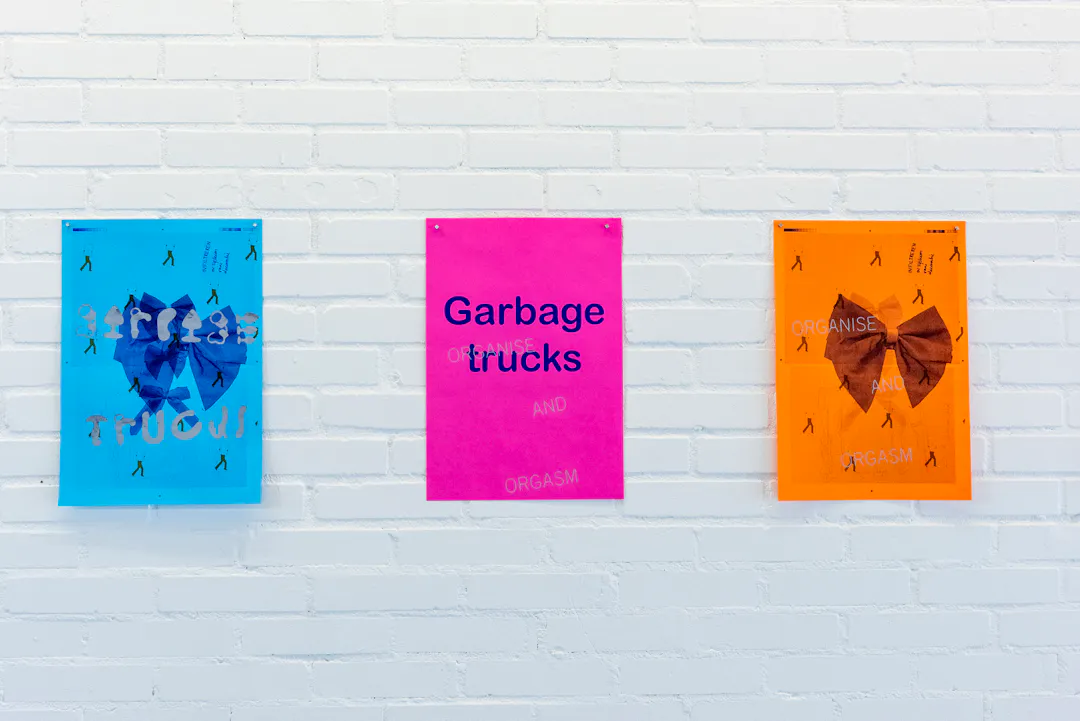
Artists Merel Nijhuis, Jivan van der Ende and the Queer Collective Workers’ Union, address the visible and invisible aspects of labour, and the emotional and physical pain it comes with.

Within H0ha, questions around labour are recurring. When we chose the word Ploegendienst (‘work shift’), we were attracted to its proletarian or even socialist connotation. Of course there is a romantic side to this choice, but it also helped us to think about the way in which the different kinds of labour were compensated. In the first year of Hoha, all participants received the same hourly rate, but this turned out to be difficult to handle, because what precisely is labour? When does activist or artistic labour stop and start? And maybe, the difficulty is even more fundamental. Because etymologically, the word labour has the following background:

‘c. 1300, "a task, a project" (such as the labors of Hercules); later "exertion of the body; trouble, difficulty, hardship" (late 14c.), from Old French labor "toil, work, exertion, task; tribulation, suffering" (12c., Modern French labeur), from Latin labor "toil, exertion; hardship, pain, fatigue; a work, a product of labor," a word of uncertain origin.’

That brings us to the hardships that seem to be inseparable from facing uneasy truths, which in turn seem to be inseparable from doing activism. It might be justified to say that the labour of Ploegendienst 5 consists both of printmaking and dealing with pain.

Thanks to the Mondriaan Fund and the Municipality of Arnhem.
Merel Nijhuis
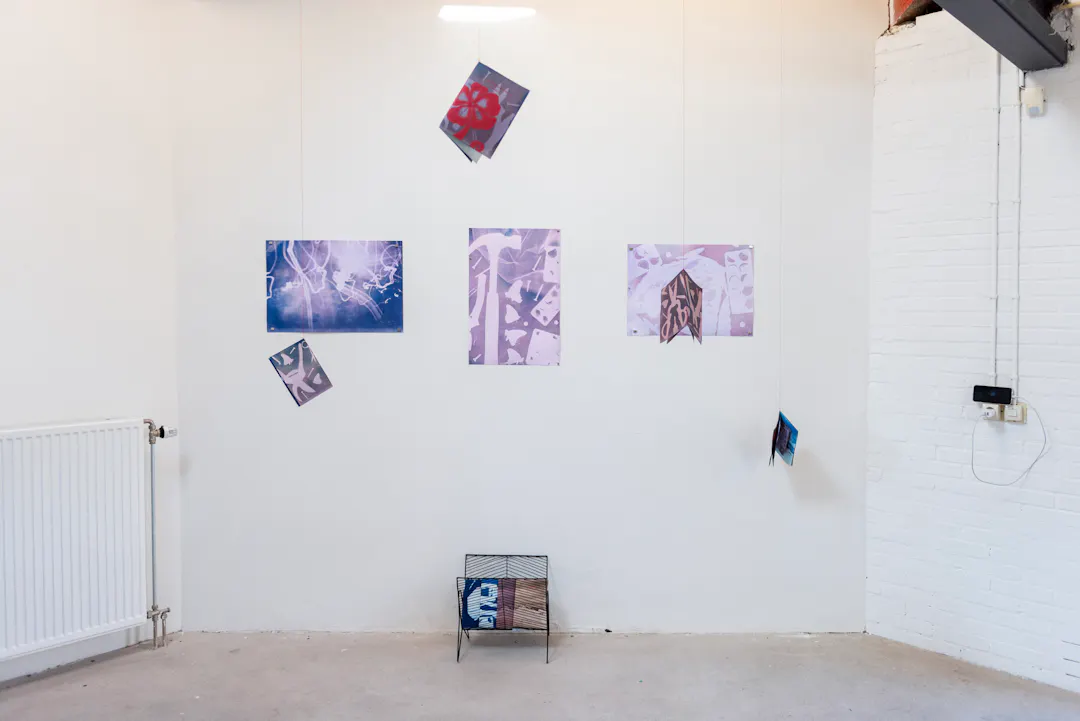
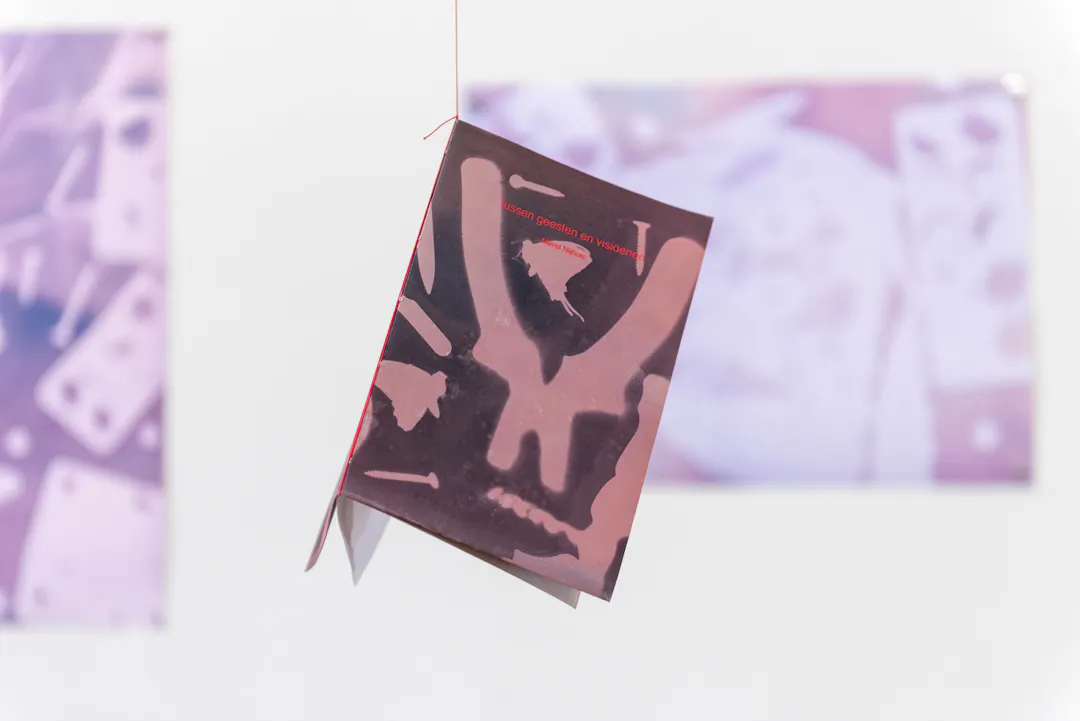
During the Shift at Plaatsmaken, Merel created zines combining text, cyanotype, and screen printing. The work revolves around her experience of (crip) time, what it means to be “healthy” in our current political climate, well-being, joy, and contradictions. Each zine is slightly different, making them as unique as the embodied experience of the moment in which they were produced: some were made during periods of intense headaches or while experiencing recurring tingling sensations in her fingertips, while others were created while enjoying the first spring sun.

Merel Nijhuis is a crip-queer writer, artist, and editor. They write experimental poetry and are inspired by critical theory, processes of cripping and queering, unreliable memory, and embodied experiences. Their work has been published in literary journals such as nY and Hard//hoofd.

Jivan van der Ende
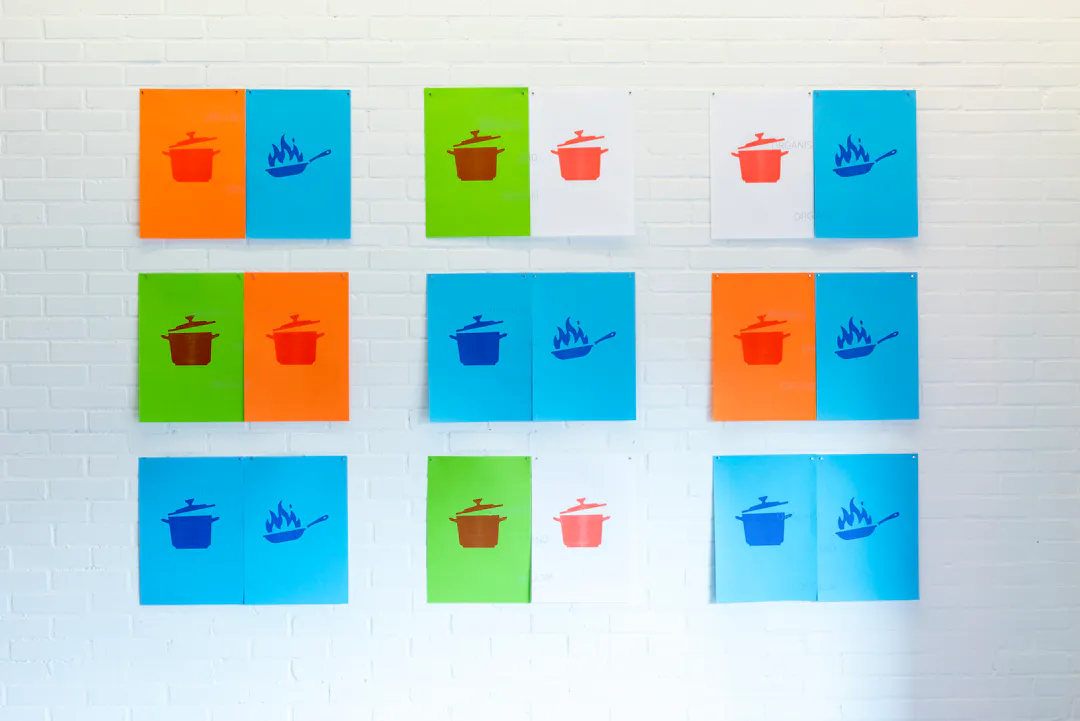
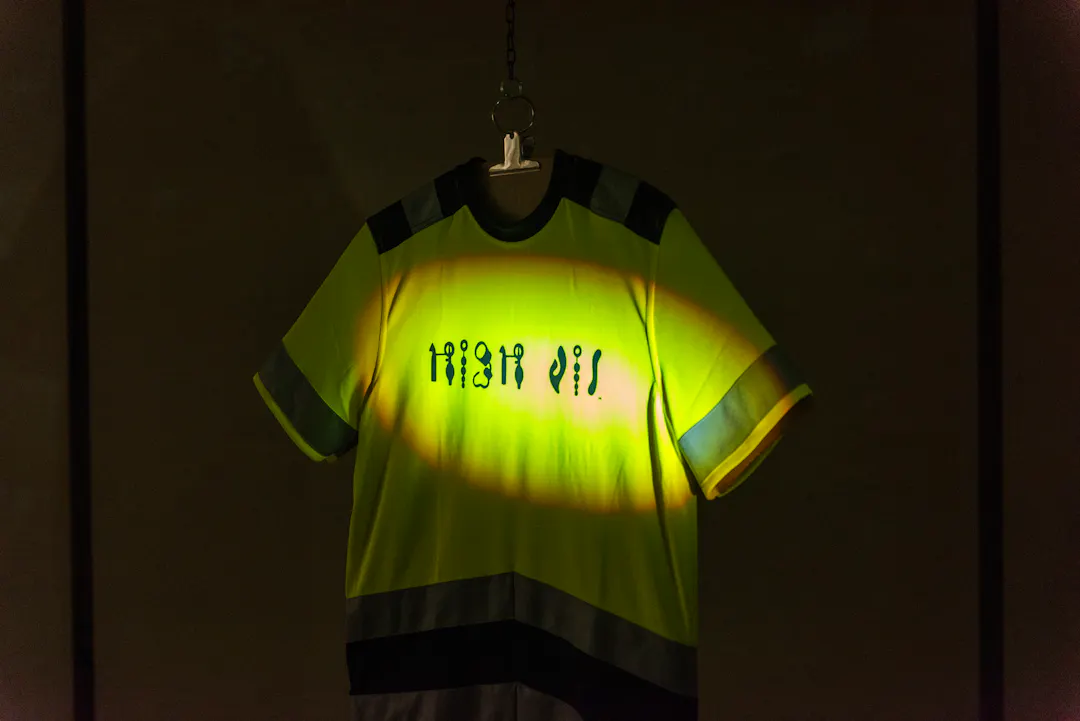
During the Shift, Jivan van der Ende surrenders to her fascination with reflective workwear. She explores the drama and camp of reflective inks to see what happens when pots find lids, when there is light in the darkroom, and when everything is laid bare.

Jivan van der Ende is a visual artist who analyzes and deconstructs symbols of power structures and social constructs. Her eclectic method is based on endless collecting, documenting, tearing apart, and reusing.

An essential part of her practice is cross-gender research into clothing. During the Shift, the artist’s project was gradually taken over and ultimately completely hijacked by her fetish for reflective workwear.

Queer Collective Workers’ Union
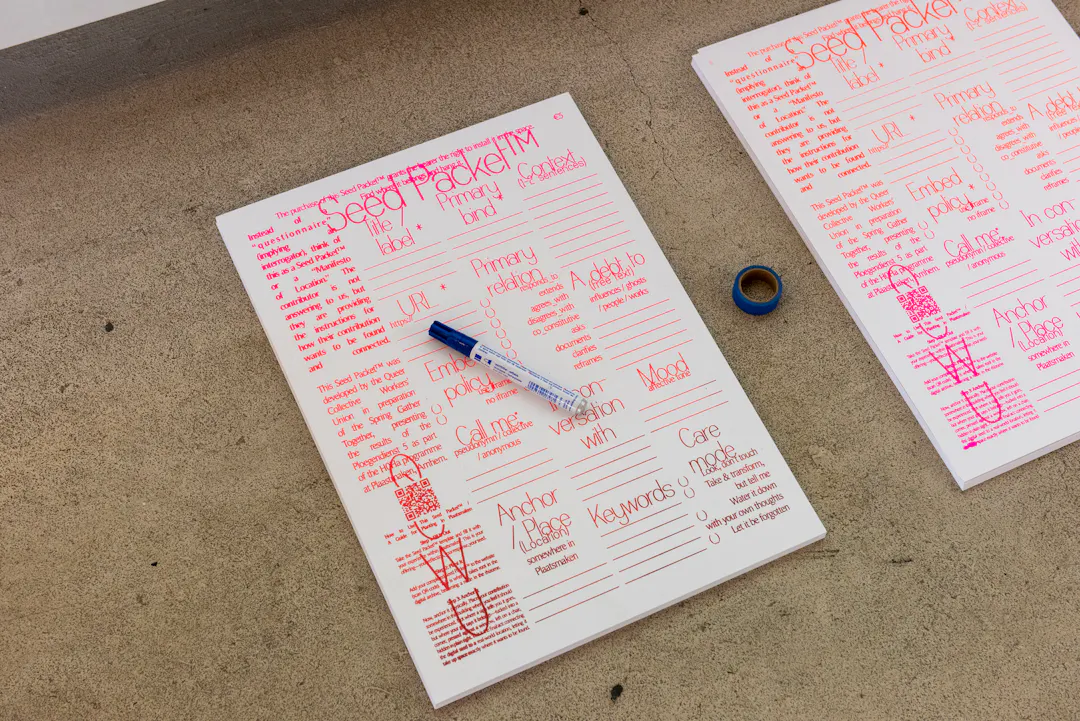
presents its founding letter on a billboard, based on a contradiction: a collective that demands its members “work alone.” Their counter-archive is an online publishing tool using a “Seed Packet” template. During their gathering, the billboard becomes the center of the space, the archive is projected, and an information table offers “Seed Packet” posters and union merchandise. Members of the union lead conversations and connect their specific conflict to broader struggles. The event marks their public launch. The infrastructure for collective authorship is under construction.